A combustible gas release is the unintentional escape of flammable or explosive gases from a confined space into the surrounding atmosphere. This release can be caused by various factors, including:
* Equipment Failure: Leaks in pipelines, valves, tanks, or other equipment can allow gas to escape.
* Human Error: Improper handling of gas, faulty maintenance, or deliberate acts can lead to a release.
* Natural Events: Earthquakes, hurricanes, or other natural disasters can damage infrastructure and cause gas leaks.
The released gas poses several risks:
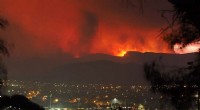
* Fire: Combustible gases can easily ignite, causing a fire that can spread rapidly and lead to significant damage and injuries.
* Explosion: Under certain conditions, the gas can mix with air and form an explosive mixture. This can lead to a powerful explosion, causing widespread destruction and casualties.
* Toxicity: Some combustible gases are also toxic, posing health risks to those exposed.
The severity of a combustible gas release depends on several factors:
* Type of gas: The flammability and explosivity of the gas greatly influence the potential hazard.
* Quantity released: A larger release poses a greater risk than a small leak.
* Concentration in air: The gas must be present in a specific range (Lower and Upper Explosive Limits) to ignite or explode.
* Presence of ignition sources: Heat, sparks, or flames can ignite the gas and lead to a fire or explosion.
Preventing and mitigating combustible gas releases:
* Regular Inspections: Inspecting equipment regularly for leaks and potential hazards.
* Maintenance: Ensuring proper maintenance and repair of gas handling systems.
* Safety Training: Educating employees on safe handling practices and emergency procedures.
* Emergency Response Plans: Having well-defined plans for responding to a gas release, including evacuation and containment measures.
Combustible gas releases pose significant dangers and require careful attention to safety protocols. By implementing preventive measures and responding effectively to incidents, we can minimize the risk of these potentially catastrophic events.