Here's why:
* Silica (SiO2) is a network solid: Its structure is a vast, three-dimensional network of silicon and oxygen atoms.
* Hydration: Water molecules can be physically absorbed onto the silica surface or chemically bound to the silica structure through hydrogen bonding.
* Variable Water Content: The amount of water molecules associated with silica can vary greatly, leading to different forms and properties.
Here are some examples:
* Silica gel: A common form of hydrated silica with a high surface area used as a desiccant (drying agent). It doesn't have a defined chemical formula but typically has a water content of around 5-15%.
* Opal: A beautiful gemstone that's essentially hydrated silica with a high water content (around 5-20%). Its specific formula depends on the precise amount of water.
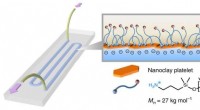
* Other hydrated silicates: Various other silicates with varying water content, including clay minerals, are also considered hydrated silica.
To accurately represent a hydrated silica compound, you need to specify the exact amount of water molecules associated with the silica. This can be done using a chemical formula like:
* SiO2 • nH2O
Where 'n' represents the number of water molecules per silica molecule.
Remember, hydrated silica isn't a single compound but a range of materials with different water content and properties.