Here's what happens:
1. Hydrogen is highly combustible: This means it can easily ignite and burn in the presence of oxygen.
2. Ignition: When hydrogen is mixed with oxygen and a source of ignition (like a spark or flame) is present, a rapid chemical reaction occurs.
3. Combustion: This reaction releases a large amount of energy in the form of heat and light. We see this as a bright flame.
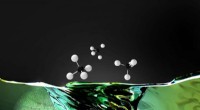
4. Products: The combustion reaction produces water (H2O) as the primary product.
In essence, hydrogen *is* the fire, not something that reacts with it.
Here's an analogy: Imagine a candle. The wax is the fuel, and when you light the wick, the flame is the burning of the wax. Hydrogen acts like the wax, its combustion *is* the fire.
It's important to note that hydrogen can burn explosively, especially when mixed with oxygen in a specific ratio. This is why handling hydrogen requires careful safety precautions.