* Evaporation: Liquids can turn into gas at temperatures below their boiling point through a process called evaporation. This happens when molecules at the surface of a liquid gain enough energy to break free and escape into the air. Think of a puddle drying up on a warm day, even if the air temperature isn't 100°C.
* Boiling Point: The boiling point is the temperature at which a liquid's vapor pressure equals the surrounding atmospheric pressure, allowing bubbles of vapor to form within the liquid. However, liquids can still evaporate at temperatures below this point.
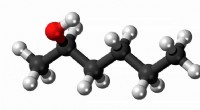
* Different Liquids: Different liquids have different boiling points. For example, rubbing alcohol has a much lower boiling point than water.
In summary: While reaching the boiling point leads to rapid and vigorous vaporization, liquids can transition into gas at temperatures lower than their boiling point through evaporation.