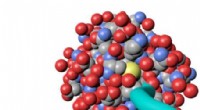
1. Enzymes: These are biological catalysts, proteins that speed up reactions without being consumed in the process. They do this by lowering the activation energy, the energy required to start a reaction. This is the primary way the body regulates its chemical processes.
2. Temperature: Increasing body temperature can accelerate reactions. This is why fevers can be dangerous - they speed up metabolic processes, potentially leading to cell damage.
3. Concentration: Increasing the concentration of reactants (the substances involved in the reaction) will increase the rate of the reaction. This is because there are more molecules available to collide and react.
4. Surface Area: Increasing the surface area of reactants can also accelerate reactions. This is why digestion breaks down food into smaller particles, increasing the surface area exposed to digestive enzymes.
5. Pressure: While pressure plays a significant role in some reactions, it's less impactful in the human body due to the relatively constant internal pressure. However, changes in pressure could affect some specific reactions in specialized areas like the lungs.
6. pH: The acidity or alkalinity of the environment can influence the rate of reactions. Enzymes function optimally within specific pH ranges, and changes in pH can affect their activity.
7. Cofactors and Coenzymes: These are non-protein molecules that assist enzymes in their function. Some examples include vitamins and minerals.
8. Hormones: These chemical messengers can regulate the activity of enzymes and other proteins, thus influencing reaction rates.
Important Note: While these factors can accelerate reactions, they are tightly controlled within the body to maintain homeostasis (balance). Disruptions to these factors can lead to various health problems.