Here's how it happened:
1. Early Earth's Atmosphere: The early Earth's atmosphere was very different from today's, lacking significant amounts of oxygen. It was primarily composed of gases like methane, ammonia, and carbon dioxide.
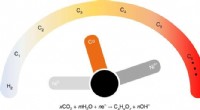
2. Photosynthesis: Cyanobacteria emerged and developed the process of photosynthesis. This process uses sunlight, water, and carbon dioxide to produce energy and release oxygen as a byproduct.
3. Oxygen Release: As cyanobacteria flourished, they began releasing vast quantities of oxygen into the atmosphere. This oxygen gradually built up over millions of years.
4. The Great Oxidation Event: This accumulation of oxygen in the atmosphere led to a dramatic event called the Great Oxidation Event, which occurred about 2.4 billion years ago. The rapid increase in oxygen levels fundamentally changed Earth's atmosphere and had a profound impact on life, including the development of multicellular organisms.
While cyanobacteria are credited with producing the first oxygen molecules, it's important to note that the origin of oxygen is ultimately traced back to the sun. Photosynthesis harnesses the energy from the sun to drive the chemical reactions that produce oxygen.