Here are the major greenhouse gases, along with their chemical formulas:
* Carbon dioxide (CO2): This is the most significant greenhouse gas, primarily produced by burning fossil fuels, deforestation, and industrial processes.
* Methane (CH4): This gas is released from natural sources like wetlands and livestock, as well as human activities like coal mining and oil and gas production.
* Nitrous oxide (N2O): Primarily produced by agricultural activities, especially the use of fertilizers, as well as industrial processes and the burning of fossil fuels.
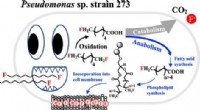
* Fluorinated gases: These include a variety of synthetic gases like hydrofluorocarbons (HFCs), perfluorocarbons (PFCs), and sulfur hexafluoride (SF6). They are used in various applications like refrigerants, aerosols, and fire extinguishers.
Other Greenhouse Gases:
* Water vapor (H2O): While naturally occurring, water vapor is considered a significant greenhouse gas, its concentration in the atmosphere is heavily influenced by temperature.
* Ozone (O3): Found in the stratosphere, ozone protects us from harmful UV radiation but can also act as a greenhouse gas in the lower atmosphere.
Understanding their Impact:
The impact of each greenhouse gas on global warming is measured by its Global Warming Potential (GWP). GWP compares the heat-trapping ability of a gas to that of carbon dioxide over a specific period.
For example:
* Methane has a GWP of 25 over 100 years, meaning it traps 25 times more heat than carbon dioxide over that time.
* Nitrous oxide has a GWP of 298 over 100 years.
Reducing Greenhouse Gas Emissions:
Understanding the chemical makeup and impact of these substances is crucial for developing strategies to mitigate climate change. We need to reduce emissions through various methods like:
* Switching to renewable energy sources
* Improving energy efficiency
* Implementing sustainable agriculture practices
* Developing and adopting alternative technologies
By taking action to reduce these greenhouse gases, we can help slow down climate change and protect our planet for future generations.