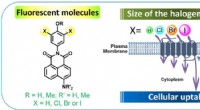
* Electronegativity: Chlorine is more electronegative than bromine. This means chlorine has a stronger pull on electrons, making it more likely to gain an electron and form a negative ion.
* Atomic Size: Chlorine is smaller than bromine. This means the outermost electrons in chlorine are held more tightly to the nucleus, making it more difficult to remove them. This also contributes to chlorine's greater reactivity.
* Electron Affinity: Chlorine has a higher electron affinity than bromine. This means that chlorine releases more energy when it gains an electron, making the process more favorable.
In summary: Chlorine's higher electronegativity, smaller size, and greater electron affinity all contribute to its higher reactivity compared to bromine.