1. Oxidation:
* Reaction: Silicon (Si) + Oxygen (O2) → Silicon Dioxide (SiO2)
* Process: This reaction forms a protective layer of silicon dioxide (SiO2), also known as silica, on the surface of the silicon wafer. This layer acts as an insulator, preventing unwanted electrical connections and providing a stable surface for further processing.
* Purpose: Creates a barrier layer for subsequent steps, defines patterns for transistors, and helps with doping.
2. Doping:
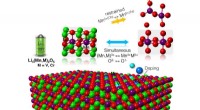
* Reaction: Silicon (Si) + Dopant (e.g., Boron, Phosphorus, Arsenic) → Doped Silicon
* Process: This process involves introducing impurities (dopants) into the silicon crystal lattice. These impurities can either add extra electrons (n-type doping) or create "holes" for electrons to move (p-type doping).
* Purpose: Dopants control the electrical conductivity of the silicon, allowing for the creation of p-n junctions, which are fundamental to transistors and other semiconductor devices.
These are just two examples of the many chemical reactions involved in silicon chip manufacturing. The process is extremely complex and involves many other reactions like etching, deposition, and photolithography.