Here's the breakdown:
Reaction:
* Copper (Cu) + Oxygen (O2) → Copper Oxide (CuO)
Explanation:
* When copper is heated to a high enough temperature (around 1083°C or 1981°F), it reacts with oxygen in the air.
* This reaction forms copper oxide, a black or reddish-brown solid.
* The process is exothermic, meaning it releases heat.
Visual Observation:
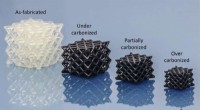
* You might observe a reddish glow on the copper surface as it heats up and reacts with oxygen.
* The copper surface will eventually turn black or reddish-brown as copper oxide forms.
Important Note:
* The reaction of copper with oxygen is relatively slow at normal temperatures.
* High temperatures are necessary to initiate and sustain the reaction.
* The specific product formed (copper oxide) can vary depending on the temperature and oxygen concentration.
So, while we don't typically call it "burning," copper does undergo a chemical reaction with oxygen at high temperatures, resulting in the formation of copper oxide.