Here's how it works:
1. Plants absorb water: Plants take up water from the soil through their roots.
2. Water travels to leaves: The water travels up the plant's stem and into the leaves.
3. Transpiration: The leaves release water vapor into the air through tiny pores called stomata. This process is driven by the difference in water potential between the inside of the leaf and the air outside.
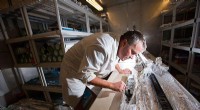
The closed environment of a terrarium traps this water vapor, creating a humid atmosphere. This humidity is crucial for the survival of the plants inside, as it helps to:
* Reduce water loss: The humid air slows down the rate of transpiration, helping the plants conserve water.
* Support growth: High humidity promotes plant growth and prevents them from drying out.
In addition to transpiration, there are other minor processes that contribute to water vapor production in a terrarium:
* Evaporation: Some water from the soil and other surfaces in the terrarium will evaporate into the air.
* Respiration: Plants release a small amount of water vapor during respiration, but this is a much less significant process than transpiration.
However, transpiration is by far the most important factor in creating the humid environment necessary for a healthy terrarium.