Key Indicators of Chemical Change:
* Formation of a new substance: This is the most fundamental sign. The chemical makeup of the original substances is altered, resulting in a different compound with new properties. This can be evidenced by:
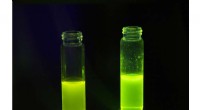
* Change in color: For example, rust forming on iron is a clear indication of a chemical change (iron oxide has a different color than iron).
* Change in odor: A rotten egg smell indicates the formation of hydrogen sulfide gas.
* Change in taste: Caution: Never taste substances in an experiment!
* Change in texture: A raw egg transforms from liquid to a solid when cooked.
* Release or absorption of energy: Chemical reactions often involve the release or absorption of heat (exothermic/endothermic reactions). You might feel heat or see a flame (exothermic) or notice a cooling effect (endothermic).
* Production of gas bubbles: The formation of gas bubbles can indicate a chemical reaction, like when baking soda reacts with vinegar to produce carbon dioxide gas.
* Formation of a precipitate: A solid forming out of a solution is a sign of a chemical change. This can occur when two clear solutions react and a cloudy precipitate forms.
Important Considerations:
* Physical changes can sometimes mimic chemical changes, so it's crucial to analyze the changes carefully. For example, melting ice is a physical change, but burning wood is a chemical change.
* Many chemical reactions are reversible, meaning the products can react to form the original reactants again. This can complicate the identification of a chemical change.
In conclusion: While no single test definitively proves a chemical change, a combination of observations like color change, heat release, gas formation, and the formation of new substances provides strong evidence that a chemical reaction has occurred.