1. Observation: This is where the process begins. You notice something interesting or puzzling in the world around you.
* Example: You notice that your houseplant seems to be wilting more often than usual.
2. Question: Based on your observation, you formulate a question about what you've seen.
* Example: Why is my houseplant wilting so much?
3. Hypothesis: This is your proposed explanation for the observation. It's a testable prediction.
* Example: The houseplant is wilting because it's not getting enough water.
4. Prediction: Based on your hypothesis, you make a specific prediction about what you expect to happen in a particular situation.
* Example: If I water the plant more frequently, it will stop wilting.
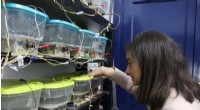
5. Experiment: You design and conduct an experiment to test your hypothesis.
* Example: You water the plant every other day and observe whether its wilting stops.
6. Analysis: You analyze the results of your experiment to see if they support or refute your hypothesis.
* Example: You compare the plant's wilting before and after the increased watering.
7. Conclusion: You draw a conclusion based on your analysis. If the results support your hypothesis, you can strengthen it. If not, you may need to revise your hypothesis or design a new experiment.
* Example: If the plant's wilting stopped after you increased watering, you might conclude your hypothesis was correct.
8. Communication: You share your findings with others in the scientific community.
* Example: You write a report on your experiment and share it with other botanists.
Important Note: The scientific method is iterative, meaning you might repeat the process several times with revised hypotheses based on new information. It's a continuous process of exploration and refinement.