Here's a breakdown of how this happens:
1. Photosynthesis: The most common way carbon is fixed is through photosynthesis, performed by plants, algae, and some bacteria.
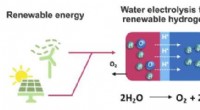
* Light-dependent reactions: Sunlight is captured by chlorophyll and used to split water molecules, releasing electrons and hydrogen ions (H+).
* Calvin Cycle: The released electrons and H+ are used to reduce carbon dioxide into glucose (a simple sugar). This process is called carbon fixation.
2. Chemosynthesis: Some organisms, particularly certain bacteria, can use chemical energy instead of sunlight to fix carbon. They obtain energy from the oxidation of inorganic molecules like hydrogen sulfide (H2S), methane (CH4), or ferrous iron (Fe2+).
3. Other processes: While less common, other biological processes contribute to carbon fixation, including:
* Methanogenesis: Certain bacteria produce methane (CH4) from carbon dioxide.
* Carbonate mineral dissolution: Some organisms can dissolve carbonate minerals, releasing carbon dioxide into the environment.
Once carbon is fixed into organic molecules:
* It forms the backbone of these molecules. Carbon's ability to bond with up to four other atoms allows it to form long chains and complex structures.
* It can be used to build other essential organic molecules. These include carbohydrates, lipids, proteins, and nucleic acids.
* It can be passed along food chains. When organisms consume other organisms, they acquire carbon from the organic molecules they ingest.
In summary: Carbon becomes part of organic molecules primarily through photosynthesis and chemosynthesis, where inorganic carbon is converted into organic molecules. This carbon is then used to build the structures and functions of life.