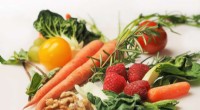
Think of it like baking a cake:
* Reactants: Flour, sugar, eggs, butter, milk
* Reaction: Mixing and baking
* Products: A delicious cake
Here's a more technical definition:
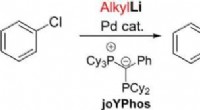
Reactants are chemical species that undergo a chemical change in a chemical reaction. They are typically represented on the left side of a chemical equation, separated by plus signs.
For example:
In the reaction of hydrogen and oxygen to form water:
2H₂ + O₂ → 2H₂O
* Reactants: Hydrogen (H₂) and Oxygen (O₂)
* Products: Water (H₂O)
Key points about reactants:
* They are the ingredients of a chemical reaction.
* They combine to form products.
* Their bonds are broken and reformed during the reaction.
* They disappear or change in form as the reaction progresses.