Baking a cake:
Reactants: Flour, sugar, eggs, butter, baking powder, etc.
Process: When you mix the ingredients and bake them in the oven, a chemical change occurs. The heat from the oven causes the following reactions:
* Flour: The starch molecules in flour gelatinize, forming a structure that holds the cake together.
* Sugar: The sugar caramelizes, contributing to the browning and sweetness of the cake.
* Eggs: The proteins in the eggs coagulate, creating a firm texture.
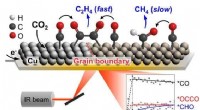
* Baking powder: The baking powder releases carbon dioxide gas, causing the cake to rise.
Resulting Product: A completely new substance, the cake, is formed. It has a different texture, color, taste, and smell compared to the original ingredients. You can't easily reverse this change to get back the original ingredients.
Other examples:
* Burning wood: Wood changes into ash, smoke, and gases.
* Rusting iron: Iron reacts with oxygen and water to form iron oxide (rust).
* Cooking an egg: The protein in the egg changes structure, resulting in a solid, cooked egg.
* Digesting food: Enzymes in your body break down food molecules into smaller ones.
Key indicators of chemical change:
* Change in color: The cake browns during baking.
* Formation of a gas: Baking powder releases carbon dioxide gas.
* Change in odor: The cake develops a distinct, baked aroma.
* Release or absorption of heat: The cake releases heat while baking.
These changes are all examples of chemical changes because they involve the formation of new substances with different properties than the original reactants.