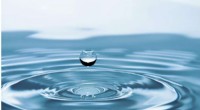
Water Vapor (H₂O)
* Composition: Two hydrogen atoms bonded to one oxygen atom.
* State: A gaseous form of water. It's invisible to the naked eye.
* Source: Formed when liquid water evaporates or boils.
* Properties:
* Plays a crucial role in the Earth's atmosphere, affecting weather patterns and temperature regulation.
* Can condense into liquid water (like clouds or rain).
* Can freeze into solid ice (like snow or hail).
Oxygen (O₂)
* Composition: Two oxygen atoms bonded together.
* State: A gas that's colorless, odorless, and tasteless.
* Source: Produced by plants during photosynthesis.
* Properties:
* Essential for respiration in animals and plants.
* Highly reactive and can support combustion (fire).
* Makes up about 21% of the Earth's atmosphere.
Key Differences:
* Composition: They have different combinations of atoms.
* State: Water vapor is a gas, while oxygen is also a gas under normal conditions.
* Function: They have vastly different roles in nature. Oxygen is essential for life, while water vapor influences weather and climate.
* Source: They have different origins. Water vapor comes from the evaporation of water, while oxygen is primarily produced by plants.
Analogy: Think of water vapor like steam coming from a boiling kettle. Oxygen is like the air you breathe. They're both gases, but they have very different properties and purposes.