* Neutral Atom: A neutral atom has an equal number of protons (positively charged particles) and electrons (negatively charged particles). These charges cancel out, resulting in a net charge of zero.
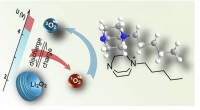
* Ionization: This is the process of gaining or losing electrons, leading to a charged atom called an ion.
* Cations: When an atom loses electrons, it becomes positively charged, as there are more protons than electrons. These are called cations.
* Anions: When an atom gains electrons, it becomes negatively charged, as there are more electrons than protons. These are called anions.
Here are some ways an atom can ionize:
* Chemical Reactions: Atoms can lose or gain electrons during chemical reactions, forming ions. For example, sodium (Na) readily loses an electron to become a sodium ion (Na+), while chlorine (Cl) readily gains an electron to become a chloride ion (Cl-).
* Electrolysis: Applying an electric current can cause atoms to lose or gain electrons. This is used in processes like electroplating and the production of certain metals.
* Radiation: High-energy radiation, such as X-rays or gamma rays, can knock electrons out of atoms, leaving them positively charged.
Key points to remember:
* Charge is always conserved: When an atom ionizes, the total charge of the system remains the same. For example, if one atom loses an electron, another atom must gain that electron.
* Ionization can affect an atom's reactivity: Ions are more reactive than neutral atoms because they have an unbalanced charge.
* Ions play a critical role in many chemical processes: They form bonds, carry electrical currents, and are essential components of many biological systems.
Let me know if you have any other questions about atoms or ions!