1. Particle Size:
* Coarse mixtures: The particles are large and easily visible, like sand in water.
* Fine mixtures: The particles are smaller, like milk or paint.
* Colloids: The particles are even smaller, not quite dissolved but dispersed, like milk or fog.
* Solutions: The particles are completely dissolved, like sugar in water.
2. Concentration:
* Dilute mixtures: Have a small amount of the substance compared to the solvent (the substance they are mixed in).
* Concentrated mixtures: Have a large amount of the substance compared to the solvent.
3. Temperature:
* Hot mixtures: The particles move faster and are more likely to be dispersed.
* Cold mixtures: The particles move slower and may settle out.
4. Physical State:
* Solid mixtures: Like sand or a mixture of different types of salt.
* Liquid mixtures: Like saltwater or oil and water.
* Gaseous mixtures: Like air, which is a mixture of nitrogen, oxygen, and other gases.
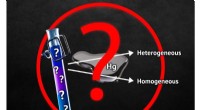
5. Homogeneity:
* Homogeneous mixtures: The components are evenly distributed, like salt water.
* Heterogeneous mixtures: The components are not evenly distributed, like sand and water.
Examples:
* Sugar water: You can have a dilute sugar solution or a concentrated sugar solution. You can also have hot or cold sugar water.
* Air: You can have air with a high concentration of oxygen (like at the top of a mountain) or air with a low concentration of oxygen (like in a room with many people).
* Milk: Whole milk has a higher fat content than skim milk.
Remember that mixtures are not chemically bonded, so the properties of the individual components are still present in the mixture.