However, here are some scenarios where chemical changes can be considered advantageous:
1. Creating new materials and products:
* Manufacturing: Chemical changes are at the heart of many industrial processes. They allow us to produce everything from plastics and fertilizers to medicines and fuels.
* Food production: Chemical changes are involved in cooking, preserving, and fermenting food, making it more palatable, nutritious, and longer-lasting.
* Textile industry: Dyeing and treating fabrics involve chemical changes to alter their properties and appearance.
2. Solving environmental problems:
* Waste treatment: Chemical processes can be used to break down pollutants, detoxify waste, and recycle materials.
* Pollution control: Chemical reactions can be used to remove harmful substances from the air and water.
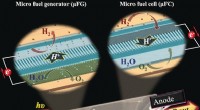
* Renewable energy: Chemical changes are essential for the production of renewable energy sources like biodiesel and hydrogen.
3. Improving human health:
* Medicine: Chemical reactions are essential for the development and production of drugs, antibiotics, and vaccines.
* Biotechnology: Chemical changes play a crucial role in gene editing, protein synthesis, and other biotechnological processes.
4. Enhancing everyday life:
* Cleaning: Cleaning products rely on chemical reactions to break down dirt and grime.
* Cosmetics: Chemical changes are used to formulate cosmetics, hair products, and personal care items.
* Electronics: Chemical changes are involved in the production of batteries, semiconductors, and other electronic components.
It's crucial to note that chemical changes can also have negative consequences, leading to pollution, environmental damage, and health risks. Therefore, it's essential to carefully consider the potential benefits and risks of each chemical change before implementing it.