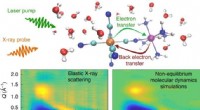
1. Increased Kinetic Energy: Hot water molecules have more kinetic energy than cold water molecules. This means they are moving around faster and with more force. This increased movement allows the water molecules to collide with the powder particles more frequently and with greater force, breaking apart the powder's bonds and allowing it to dissolve more readily.
2. Reduced Viscosity: Hot water has lower viscosity (resistance to flow) compared to cold water. This means the water molecules can move more freely, allowing them to surround and interact with the powder particles more effectively.
3. Enhanced Solubility: For many substances, solubility (the ability to dissolve) increases with temperature. The increased kinetic energy of the water molecules allows them to overcome the attractive forces holding the powder particles together, leading to greater dissolution.
4. Increased Diffusion: The faster movement of hot water molecules leads to faster diffusion, which is the process of molecules spreading out from an area of high concentration to an area of lower concentration. This increased diffusion rate helps to distribute the dissolved powder molecules more evenly throughout the water.
Exceptions:
While these principles generally hold true, there are exceptions. Some substances, such as certain salts, exhibit a decreased solubility with increasing temperature. This is due to complex interactions between the solute and solvent, and the specifics depend on the substance in question.
In summary, the increased kinetic energy, reduced viscosity, enhanced solubility, and increased diffusion of hot water all contribute to the faster and more efficient dissolution of most powders.