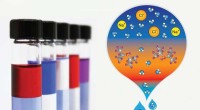
* Heat energy: When liquid water absorbs heat energy, the molecules within it start moving faster.
* Breaking bonds: The increased movement causes the weak bonds between water molecules to break.
* Escape into the air: As the molecules become more energetic, they gain enough energy to escape from the liquid's surface and enter the atmosphere as water vapor (gas).
Factors that affect evaporation:
* Temperature: Higher temperatures lead to faster evaporation.
* Surface area: Larger surface areas allow more water molecules to escape.
* Humidity: Dry air allows for faster evaporation, as there is less water vapor already in the air.
* Wind: Wind can carry away water vapor, reducing the amount in the air and encouraging further evaporation.
Other ways water changes from liquid to gas:
* Boiling: This happens when water reaches its boiling point (100°C or 212°F) and rapidly changes to steam.
* Sublimation: In some cases, water can change directly from solid ice to water vapor without going through the liquid phase. This happens in very cold conditions.