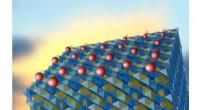
* Large Spaces Between Molecules: There is a lot of empty space between gas molecules. When pressure is applied, the molecules can be pushed closer together, filling that empty space.
* Weak Intermolecular Forces: Unlike liquids and solids, the attractive forces between gas molecules are very weak. This allows them to move freely and be compressed easily.
Here's a simple analogy:
Imagine a room filled with ping pong balls. If you push on the balls, they'll move closer together and take up less space. This is similar to how gas molecules react to pressure.
Factors that Affect Compressibility:
* Pressure: Higher pressure forces molecules closer together, making the gas more compressible.
* Temperature: Higher temperature increases the speed and kinetic energy of molecules. This makes them harder to compress, as they resist being pushed closer together.
Key Points:
* Liquids and solids are much less compressible than gases because their molecules are much closer together.
* Compressibility is an important property in many applications, such as in engines, pumps, and refrigeration systems.
Let me know if you'd like to explore any of these concepts in more detail!