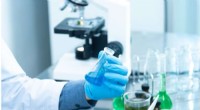
* Concentrated hydrochloric acid (HCl): This is a common laboratory reagent that is typically sold as a 37% solution. This means 37% of the solution's mass is HCl, and the remaining 63% is water.
* Concentrated sulfuric acid (H₂SO₄): This is a very strong acid, and the concentrated form is usually 98% H₂SO₄.
* Concentrated sugar syrup: This is a thick, syrupy solution made by dissolving a large amount of sugar in a smaller amount of water. It's commonly used in making candies and desserts.
* Concentrated salt water: This is a solution made by dissolving a large amount of salt in a smaller amount of water. It can be used for various purposes, including preserving food or as a brine for pickling.
Key takeaway: Concentrated solutions have a high proportion of solute (the substance being dissolved) compared to solvent (the substance doing the dissolving).