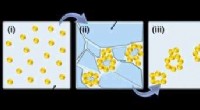
* Heat causes liquids to expand. This is because the molecules in a liquid gain kinetic energy and move further apart.
* Expansion leads to decreased density. Density is defined as mass per unit volume. When the volume of the liquid increases while its mass remains the same, the density decreases.
Here's a simple analogy: Imagine a box filled with marbles. If you heat the box, the marbles will spread out a bit. The same box now contains the same number of marbles (mass), but they take up more space (volume), so the density of the marbles in the box has decreased.
Some important points to remember:
* The effect of heat on density is generally proportional to the temperature change. The hotter the liquid, the greater the expansion, and the lower the density.
* Different liquids expand at different rates. Water, for example, is quite unique in that its density increases as it cools down from 4°C to 0°C (the freezing point).
* Density changes due to heat can have significant implications in many situations. For example, the density changes in water are crucial to the circulation of ocean currents and the formation of weather patterns.
In summary: Heat causes liquids to expand, which leads to a decrease in their density.