Main Branches of Chemistry:
* Inorganic Chemistry: Focuses on the study of the properties and reactions of all elements and their compounds, excluding organic compounds.
* Organic Chemistry: Deals with the structure, properties, and reactions of compounds containing carbon.
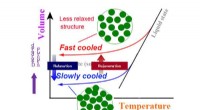
* Physical Chemistry: Studies the physical principles underlying chemical phenomena, like thermodynamics, kinetics, and quantum chemistry.
* Analytical Chemistry: Deals with the identification, quantification, and separation of chemical substances.
* Biochemistry: Focuses on the chemical processes within living organisms, including the structure, function, and interactions of biological molecules.
* Environmental Chemistry: Studies the chemistry of the environment, including pollution, remediation, and sustainable development.
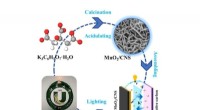
* Materials Chemistry: Focuses on the design and synthesis of new materials with specific properties.
* Nuclear Chemistry: Deals with the properties and reactions of atomic nuclei and radioactive materials.
* Computational Chemistry: Uses computer simulations to study and predict chemical phenomena.
Other Important Fields:
* Geochemistry: Studies the chemical composition of the Earth and other planets.
* Polymer Chemistry: Focuses on the synthesis, properties, and applications of polymers.
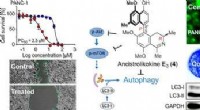
* Medicinal Chemistry: Deals with the discovery and development of new drugs.
* Astrochemistry: Studies the chemistry of stars, planets, and interstellar space.
* Forensic Chemistry: Applies chemical principles to solve crimes.
It's important to note that these fields often overlap. For example, a chemist working on the development of new pharmaceuticals might utilize principles from organic chemistry, biochemistry, and analytical chemistry.