1. High Heat Capacity
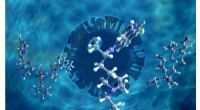
* Hydrogen Bonds: Water molecules form strong hydrogen bonds with each other. These bonds require significant energy to break.
* Absorbing Heat: When heat is applied to water, it's absorbed by breaking these hydrogen bonds. This allows water to absorb a large amount of heat without a significant increase in temperature.
* Cooling Effect: When water molecules release heat, they form new hydrogen bonds, releasing the energy back into the environment.
2. High Heat of Vaporization
* Evaporation: When water evaporates, it transitions from a liquid to a gas (water vapor). This process requires a significant amount of energy, which is taken from the surrounding environment.
* Cooling Effect: The heat absorbed during evaporation cools the surrounding environment, making water a highly effective coolant.
How it Works in Organisms:
* Sweating: When animals sweat, the water on their skin evaporates, drawing heat away from the body and cooling it down.
* Respiration: In mammals, the evaporation of water from the respiratory tract helps to cool the body during exhalation.
* Plant Transpiration: Plants lose water through their leaves, and the evaporation of this water cools the plant.
In Summary:
Water's unique chemical structure with hydrogen bonding allows it to absorb and release large amounts of heat without drastic temperature changes. This, coupled with its high heat of vaporization, makes water a highly effective coolant for organisms.