1. Safety First!
* Know your substance: Before you even touch the substance, research its properties. Is it flammable? Reactive? Does it have a specific boiling point or decomposition temperature?
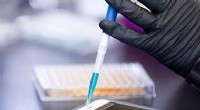
* Appropriate Personal Protective Equipment (PPE): Use a lab coat, gloves, safety glasses, and potentially a face shield to protect yourself from splashes, fumes, or explosions.
* Work in a fume hood: If the substance releases potentially harmful fumes, work within a fume hood to prevent inhalation.
* Proper ventilation: Ensure adequate ventilation in the lab to remove fumes and potentially hazardous gases.
2. Heating Methods
* Bunsen burner: A common and versatile method for heating.
* Use a heat-resistant mat: Place the burner on a heat-resistant mat to protect the benchtop.
* Use a wire gauze: Place the substance in a beaker or flask on top of a wire gauze to distribute the heat evenly.
* Adjust the flame: Learn to control the Bunsen burner flame for optimal heating.
* Hot plate: A safer option for substances that shouldn't be exposed to an open flame.
* Select the appropriate temperature: Hot plates have temperature controls; ensure you set the correct temperature for your substance.
* Use a stirring mechanism: Stirring helps distribute heat evenly.
* Heating mantle: Used for heating flammable liquids in round-bottom flasks.
* Always use a stir bar: To ensure even heating and prevent bumping.
* Water bath: A gentle and controlled method for heating.
* Use a beaker or flask: Place your substance in a beaker or flask and immerse it in the water bath.
* Control the temperature: Use a thermometer to monitor and adjust the water bath temperature.
* Oven: For controlled heating of solids and some liquids.
* Use appropriate glassware: Select oven-safe glassware to hold the substance.
3. Key Considerations
* Temperature control: Use a thermometer to monitor the temperature of your substance and ensure it does not exceed its safe heating point.
* Heating rate: Heat substances gradually to prevent uneven heating and potential hazards.
* Stirring: Stirring helps distribute heat evenly and prevent localized hot spots.
* Containment: Use appropriate glassware (beakers, flasks, etc.) to contain the substance during heating.
* Monitoring: Always supervise the heating process and be prepared to react to any unexpected events.
4. Specific Substances
* Flammable liquids: Heat flammable liquids with caution using a water bath or a heating mantle.
* Solid powders: Use a hot plate or an oven to heat solid powders.
* Aqueous solutions: A Bunsen burner, hot plate, or water bath can be used to heat aqueous solutions.
Important Note: Always consult with your lab instructor or supervisor for specific instructions and safety protocols regarding the substances and equipment you will be using. They will be able to provide tailored guidance for your specific situation.