Metal:
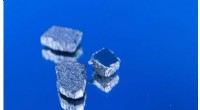
* Pure Element: A metal is a pure element found on the left side of the periodic table (excluding hydrogen).
* Properties: Metals typically possess characteristics like:
* Lustrous: Shiny or reflective
* Malleable: Can be hammered into different shapes
* Ductile: Can be drawn into wires
* Good conductors: Of heat and electricity
* Examples: Iron (Fe), Copper (Cu), Gold (Au), Aluminum (Al)
Metal-Containing Compound:
* Two or More Elements: A metal-containing compound is formed by the chemical combination of at least one metal element with one or more other elements (metals or nonmetals).
* Properties: The properties of a metal-containing compound are significantly different from the pure metal due to the chemical bonding that has occurred.
* Varying Properties: Can be solids, liquids, or gases; can have various colors, melting points, and reactivity levels.
* Examples:
* Metal Oxides: Iron oxide (rust, Fe₂O₃), Aluminum oxide (Al₂O₃)
* Metal Salts: Sodium chloride (table salt, NaCl), Copper sulfate (CuSO₄)
* Metal Alloys: Brass (a mixture of copper and zinc), Bronze (a mixture of copper and tin)
Key Difference:
The key difference lies in the composition:
* Metal: A single element in its pure form.
* Metal-containing Compound: A combination of at least one metal element with other elements, forming a new substance with distinct properties.
In Summary:
A metal is a pure element, while a metal-containing compound is a substance formed by the chemical combination of a metal with other elements. The presence of the metal element alone does not define a compound; it's the chemical bond that creates the new substance.