Materials that Absorb or Remove CO2:
* Alkaline Solutions:
* Sodium hydroxide (NaOH) and Potassium hydroxide (KOH): These strong bases react with CO2 to form carbonates.
* Limewater (Calcium hydroxide, Ca(OH)2): The reaction forms a white precipitate of calcium carbonate (CaCO3), making it a good indicator of CO2 presence.
* Amines (Organic Compounds): Certain amines, like monoethanolamine (MEA), are used in industrial processes to capture CO2 from flue gases.
* Plants and Algae: Photosynthesis uses CO2 as a carbon source, converting it into sugars and releasing oxygen.
* Oceans: Oceans absorb a significant amount of CO2, forming carbonic acid (H2CO3), which impacts ocean acidity.
* Solid Carbon Materials:
* Activated Carbon: This porous material can adsorb CO2.
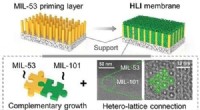
* Metal-Organic Frameworks (MOFs): These highly porous materials with large surface areas are being researched for CO2 capture and storage.
Materials that Release CO2:
* Combustion of Fuels: Burning fossil fuels like coal, oil, and natural gas releases CO2 into the atmosphere.
* Decomposition of Organic Matter: Decaying plant and animal matter releases CO2 through microbial processes.
* Volcanic Activity: Volcanoes release CO2 from Earth's interior.
* Industrial Processes: Many industrial processes, such as cement production and steel manufacturing, release CO2 as a byproduct.
Materials that React with CO2 (But don't necessarily remove it):
* Metals: Some metals, like iron (Fe) and magnesium (Mg), can react with CO2 to form oxides. This reaction can be used in certain chemical processes but doesn't permanently remove CO2.
* Water (H2O): CO2 dissolves in water, forming carbonic acid (H2CO3), which contributes to ocean acidification.
Important Note: The way a material affects CO2 depends on its specific properties, the surrounding conditions (temperature, pressure, etc.), and the context of the interaction.
Let me know if you have any more questions!