The Molecular Dance:
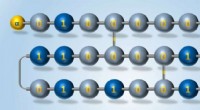
* Atoms in Motion: Even in a solid, the atoms are not completely still. They vibrate constantly, but their vibrations are small and constrained.
* Heat = More Vibration: When you heat a solid, you add energy. This energy causes the atoms to vibrate more vigorously. They move further apart from each other.
* Space Between: As the vibrations increase, the average distance between the atoms increases. This tiny expansion at the atomic level adds up to a noticeable expansion of the whole solid.
Think of it like this:
Imagine a room full of people. If everyone stands still, they can be packed close together. If everyone starts dancing, they need more space to move around. The room feels more crowded. Similarly, the atoms in a solid need more space when they are vibrating more vigorously.
Factors Influencing Expansion:
* Type of Material: Different metals have different coefficients of thermal expansion. This means some expand more than others for the same temperature change.
* Temperature Change: The greater the temperature change, the greater the expansion.
Why It Matters:
Understanding thermal expansion is important in many engineering applications:
* Bridges: Expansion joints are built into bridges to accommodate the expansion and contraction of the metal due to temperature changes.
* Buildings: Similar to bridges, buildings also need to be designed to account for thermal expansion, especially in materials like steel.
* Machine Parts: Tight tolerances in machine parts can be affected by temperature changes.
Let me know if you have any other questions!