1. Filtration:
* How it works: This is the most common method. You pass the mixture through a filter paper (or other porous material) that traps the solid particles while allowing the liquid to pass through.
* Examples: Separating sand from water, filtering coffee grounds from brewed coffee.
* Types of filters: Coffee filters, filter paper, cheesecloth, mesh screens.
2. Decantation:
* How it works: You carefully pour the liquid off the top, leaving the solid behind. This works best when the solid settles quickly to the bottom.
* Examples: Separating sand from water (if the sand settles), separating oil from water.
* Tips: Pour slowly to avoid disturbing the settled solid.
3. Sedimentation:
* How it works: You let the solid particles settle to the bottom of the container by gravity. This is often a first step before decantation or filtration.
* Examples: Separating sand from water (allowing time for the sand to settle), clearing muddy water.
4. Centrifugation:
* How it works: A centrifuge spins the mixture at high speed, forcing the denser solid particles to the bottom. This works well for very small particles that don't settle easily.
* Examples: Separating blood cells from plasma, separating milk fat from milk.
5. Magnetic Separation:
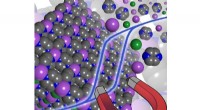
* How it works: If the solid is magnetic, you can use a magnet to pull it out of the liquid.
* Examples: Separating iron filings from a mixture of sand and water.
Choosing the Right Method:
The best method to use depends on the specific properties of the solid and liquid:
* Particle size: Filtration is best for larger particles, while centrifugation works better for smaller particles.
* Density: Decantation works best when the solid is denser than the liquid and settles easily.
* Magnetic properties: Magnetic separation is only possible if the solid is magnetic.
Let me know if you have a specific scenario in mind, and I can help you choose the best separation method!