Hydrophilic Molecules
* Definition: "Water-loving". These molecules are attracted to water and tend to dissolve in it.
* Characteristics:
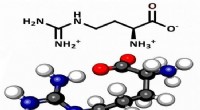
* They have polar covalent bonds, meaning there's an uneven sharing of electrons, creating partial positive and negative charges within the molecule.
* These charges allow them to form hydrogen bonds with water molecules.
* Examples: Sugar, salt, alcohol
Hydrophobic Molecules
* Definition: "Water-fearing". These molecules repel water and don't dissolve in it.
* Characteristics:
* They have nonpolar covalent bonds, meaning electrons are shared equally.
* They lack the partial charges that allow for hydrogen bonding with water.
* Examples: Oils, fats, waxes
Key Differences:
| Feature | Hydrophilic | Hydrophobic |
|---|---|---|
| Water Interaction | Attracted to water, dissolves | Repelled by water, doesn't dissolve |
| Polarity | Polar (partial charges) | Nonpolar (equal sharing of electrons) |
| Bonding | Form hydrogen bonds with water | Don't form hydrogen bonds with water |
| Examples | Sugars, salts, alcohol | Oils, fats, waxes |
Real-World Example:
Think about a salad dressing. Oil (hydrophobic) and vinegar (hydrophilic) don't mix. You need an emulsifier (like egg yolk) to help create a temporary suspension.
Important Note:
Some molecules can be both hydrophilic and hydrophobic, depending on the part of the molecule. This is called "amphipathic." A good example is soap, which has a hydrophilic head and a hydrophobic tail, allowing it to clean both water-based and oil-based substances.