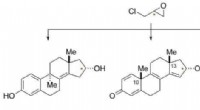
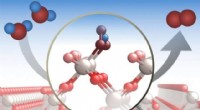
* Chemical Change: A chemical change involves the breaking and forming of new chemical bonds. This fundamentally alters the arrangement and composition of atoms within a substance.
* Physical Properties: Physical properties describe the characteristics of a substance that can be observed without changing its chemical composition. Examples include color, odor, melting point, boiling point, density, and solubility.
* The Connection: When a chemical change occurs, the new substance formed has a different molecular structure. This difference in structure leads to different interactions between molecules, ultimately resulting in different physical properties.
Example: Burning wood is a chemical change. Wood is made up of complex organic molecules. When burned, these molecules react with oxygen, breaking down into simpler molecules like carbon dioxide and water. This change in chemical composition leads to:
* New physical properties: The ash produced has a different color, texture, and density than the original wood.
Key takeaway: Chemical changes create new substances with different molecular structures, and therefore, different physical properties.