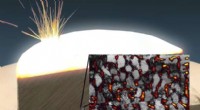
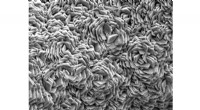
Here's a breakdown:
* Catalyst: A substance that speeds up a chemical reaction without being consumed in the process.
* Chemical Change: A process where new substances are formed with different chemical properties.
Examples of Catalysts:
* Enzymes: Biological catalysts that speed up reactions in living organisms.
* Platinum: Used in catalytic converters in cars to convert harmful gases into less harmful ones.
* Nickel: Used in the hydrogenation of vegetable oils to make margarine.
Key Features of Catalysts:
* Speed up reactions: Catalysts lower the activation energy required for a reaction to occur.
* Remain unchanged: They are not consumed in the reaction and can be used again.
* Specific: Catalysts are often specific to a particular reaction.
Let me know if you have any other questions!