Physical Change:
* Definition: A change in the form or appearance of a substance, but not its chemical composition.
* Key Features:
* No new substances are formed.
* Changes are usually reversible.
* Often involve changes in state (solid, liquid, gas), shape, or size.
* Examples:
* Melting ice (solid water to liquid water)
* Cutting paper
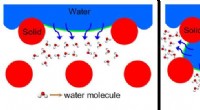
* Dissolving sugar in water (sugar molecules remain intact)
* Boiling water (liquid water to steam)
Chemical Change:
* Definition: A change that results in the formation of a new substance with a different chemical composition.
* Key Features:
* New substances are formed with different properties.
* Changes are usually irreversible.
* Often involve the release or absorption of energy (heat, light, etc.).
* Examples:
* Burning wood (wood reacts with oxygen to form ash, carbon dioxide, and water)
* Rusting iron (iron reacts with oxygen and water to form iron oxide)
* Cooking an egg (the proteins in the egg undergo chemical changes)
* Baking a cake (ingredients react to form a new substance)
Key Differences in a Nutshell:
| Feature | Physical Change | Chemical Change |
|------------------|-----------------|-----------------|
| Composition | Stays the same | Changes |
| New Substances | Not formed | Formed |
| Reversibility | Often reversible | Usually irreversible |
| Energy Change | Usually small | Often significant |
Let me know if you'd like more examples or want to explore any of these concepts in more detail!