Types of Solutes that Don't Dissolve in Water:
* Nonpolar Solutes: Water is a polar molecule (it has a positive and negative end). Nonpolar molecules lack this charge separation. "Like dissolves like" means that polar solvents (like water) dissolve polar solutes, and nonpolar solvents dissolve nonpolar solutes.
* Examples: Oils, fats, waxes, gasoline, many plastics.
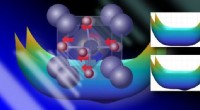
* Ionic Compounds with Low Solubility: Some ionic compounds form strong bonds between their ions. These bonds can be stronger than the attraction between the ions and water molecules.
* Examples: Calcium carbonate (chalk), silver chloride, barium sulfate.
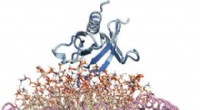
* Large, Complex Molecules: Some molecules, like proteins and starches, are simply too large for water molecules to effectively surround and break apart.
* Examples: Starch, cellulose, some proteins.
Important Note: "Solubility" is a matter of degree. Even compounds considered insoluble may dissolve to a very small extent in water.
Key Factors Affecting Solubility:
* Polarity: The most crucial factor.
* Temperature: Generally, solubility increases with temperature.
* Pressure: Pressure has a significant effect on the solubility of gases in liquids, but less so for solids.
Let me know if you'd like more details on any of these points!