Major Branches:
* Organic Chemistry: The study of carbon-containing compounds, including their structure, properties, and reactions. This is often considered the "chemistry of life" as many biological molecules are organic.
* Inorganic Chemistry: The study of all other chemical compounds, which include metals, minerals, and many other substances.
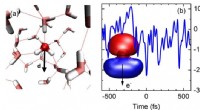
* Physical Chemistry: The study of the physical principles underlying chemical behavior. This includes topics like thermodynamics, kinetics, and quantum chemistry.
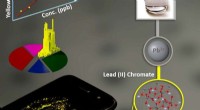
* Analytical Chemistry: The study of the identification and quantification of chemical substances. Analytical chemists develop methods for measuring the chemical composition of samples.
* Biochemistry: The study of the chemistry of living organisms, including the structure, function, and interactions of biological molecules.
* Environmental Chemistry: The study of chemical processes in the environment, including pollution, remediation, and the fate of chemicals in the environment.
Sub-Branches:
* Polymer Chemistry: The study of large molecules (polymers) composed of repeating units.
* Nuclear Chemistry: The study of the structure, properties, and reactions of atomic nuclei.
* Computational Chemistry: The use of computer simulations to study chemical systems.
* Geochemistry: The study of the chemical composition of the Earth and its processes.
* Astrochemistry: The study of the chemical composition and processes in space.
* Medicinal Chemistry: The study of the design and synthesis of new drugs.
This is not an exhaustive list, and there are many other areas of chemistry that could be included. The specific branches of chemistry are often interconnected and overlap, and many chemists specialize in multiple areas.