Here's a breakdown of common laboratory wares and their uses:
1. Glassware:
* Beaker: A cylindrical container with a spout for pouring, used for holding, mixing, and heating liquids.
* Erlenmeyer flask: A conical flask with a narrow neck, used for holding and mixing liquids, particularly for reactions involving swirling or shaking.
* Florence flask: A round-bottomed flask with a long, narrow neck, used for heating liquids and for reactions requiring controlled heating.
* Graduated cylinder: A tall, cylindrical container with markings for measuring volumes of liquids with a high degree of accuracy.
* Volumetric flask: A pear-shaped flask with a long, narrow neck and a single calibration mark, used for preparing solutions with precise volumes.
* Burette: A graduated glass tube with a stopcock at the bottom, used for dispensing precise volumes of liquids, especially during titrations.
* Pipette: A glass tube with a calibrated bulb used to measure and transfer precise volumes of liquids.
* Dropper: A small, glass or plastic tube with a rubber bulb for dispensing liquids drop by drop.
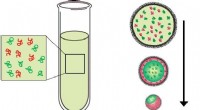
* Test tube: A small, cylindrical glass tube open at one end, used for holding and mixing small volumes of liquids for reactions or experiments.
* Watch glass: A concave, circular piece of glass used for evaporating liquids, covering beakers, or holding small samples.
* Funnel: A cone-shaped device used to transfer liquids from one container to another, filter solids from liquids, or separate immiscible liquids.
* Petri dish: A shallow, circular dish with a lid used for growing cultures of bacteria or fungi.
2. Plasticware:
* Beakers: Similar to glass beakers but made of plastic, often used for holding non-corrosive liquids or for disposable use.
* Test tubes: Similar to glass test tubes but made of plastic, often used for disposable use.
* Graduated cylinders: Similar to glass graduated cylinders but made of plastic, often used for holding non-corrosive liquids or for disposable use.
* Pipettes: Similar to glass pipettes but made of plastic, often used for disposable use.
* Droppers: Similar to glass droppers but made of plastic, often used for dispensing liquids drop by drop.
* Culture plates: Similar to petri dishes but made of plastic, often used for growing cultures of bacteria or fungi.
* Syringes: Used to inject fluids, especially for measuring and delivering precise volumes.
* Bottles: Used for storing solutions, reagents, and samples.
3. Other Equipment:
* Bunsen burner: A gas burner used for heating samples or solutions.
* Hot plate: An electric heating device used for heating samples or solutions.
* Stirring rod: A glass rod used for stirring solutions or mixing reagents.
* Spatula: A flat, bladed instrument used for scooping, transferring, or scraping solids.
* Tongs: Used to grasp and move hot or dangerous objects.
* Forceps: Used for holding, manipulating, or picking up small objects.
* Weighing paper: Used for weighing out solid samples.
* Filter paper: Used for filtering solids from liquids.
* Stoppers: Used to seal containers, preventing evaporation or contamination.
* Thermometer: Used to measure temperature.
* pH meter: Used to measure the acidity or alkalinity of a solution.
* Spectrophotometer: Used to measure the absorbance or transmission of light through a solution.
This list provides a general overview of common laboratory wares. There are many other specialized pieces of equipment used in specific areas of chemistry and other sciences.
Remember, proper handling and safety procedures are crucial when using any laboratory ware. Always follow the instructions and wear appropriate protective gear.