For Thermal Insulation (Heat):
* Vacuum: The best thermal insulator. A vacuum prevents heat transfer by conduction and convection. This is how thermoses work.
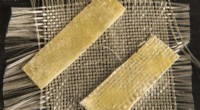
* Aerogels: Extremely porous materials with very low density. They are great for preventing heat transfer by conduction and convection, and can even reflect some radiation.
* Foamed plastics (Polystyrene, Polyurethane): Contain tiny air pockets that trap heat. They are common in building insulation and packaging.
* Fiberglass: Made from thin fibers of glass, creating air pockets that resist heat transfer.
* Mineral wool (Rock wool, Slag wool): Made from volcanic rock or slag. Similar to fiberglass in its insulation properties.
* Cellulose: Made from recycled paper. It provides thermal insulation and is eco-friendly.
* Cork: A natural material with good thermal insulating properties.
For Electrical Insulation:
* Gases (Air, Nitrogen): Good electrical insulators at normal temperatures and pressures.
* Polymers (Rubber, Plastics): Many plastics are excellent electrical insulators.
* Ceramics (Porcelain, Glass): Good insulators, often used in electrical components.
* Paper: A common insulator, especially in electrical wiring.
* Oil: Used in transformers and other electrical equipment to insulate and cool components.
Important Considerations:
* Type of heat transfer: Different insulators excel at blocking different types of heat transfer (conduction, convection, radiation).
* Temperature: Some materials lose their insulating properties at high temperatures.
* Cost: The best insulator may not always be the most affordable.
* Environmental impact: Some insulation materials have a higher environmental impact than others.
Ultimately, the "best" insulator depends on the specific needs of the application.