Observation: Salt is often used to melt ice on roads and sidewalks in the winter.
Question: Does salt really melt ice?
Hypothesis: Salt will melt ice faster than water alone.
Here's why this is a valid hypothesis:
* Salt lowers the freezing point of water: Salt dissolves in water, creating a solution with a lower freezing point than pure water. This means the ice will melt at a lower temperature than it would normally.
* Salt disrupts the ice structure: The dissolved salt ions interfere with the formation of the regular ice crystal structure, making it easier for the ice to melt.
Experiment:
1. Materials:
* Two identical containers (e.g., small bowls)
* Ice cubes
* Salt
* Water
* Thermometer (optional)
2. Procedure:
* Fill both containers with an equal amount of ice.
* In one container, add salt and stir.
* In the other container, add only water.
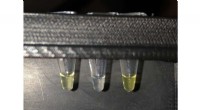
* Observe both containers over time, noting how quickly the ice melts.
* You can also measure the temperature of the ice in each container using a thermometer (optional).
3. Results: The ice in the container with salt should melt faster than the ice in the container with water alone.
Conclusion:
Based on the experiment results, you can conclude whether your hypothesis was supported or refuted. If the salt-treated ice melted faster, it supports your hypothesis.
Note: This is a simple experiment. For a more detailed investigation, you could:
* Test different types of salt (e.g., rock salt, table salt)
* Vary the amount of salt used
* Measure the temperature of the ice and the water solutions
* Analyze the melting rate using graphs or charts
Remember, science is about testing and learning!