Here's why:
* Chemical changes involve the breaking and forming of chemical bonds. This means the atoms in the original substances are rearranged into new combinations, creating a different substance with different properties.
* New substances have different properties. This could include changes in color, odor, taste, melting point, boiling point, reactivity, etc.
* Chemical changes are often irreversible. While some chemical changes can be reversed, many cannot.
Examples:
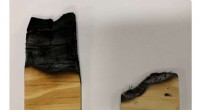
* Burning wood: Wood (cellulose) reacts with oxygen to form ash, carbon dioxide, and water. The ash is a completely different substance from wood.
* Baking a cake: The ingredients (flour, sugar, eggs, etc.) undergo chemical reactions that change their structure and properties, creating a cake.
* Rusting iron: Iron reacts with oxygen and water to form iron oxide (rust), a reddish-brown solid with different properties than iron.
In contrast, physical changes only alter the appearance or form of matter, not its chemical composition. For example, cutting paper, melting ice, or boiling water are all physical changes.