1. Pigment Production:
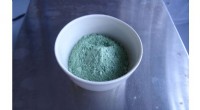
* Acid leaching: Acids are used to extract metal oxides from ores, which are then used as pigments in paint. For example, titanium dioxide (TiO2), a white pigment, is produced by leaching ilmenite ore with sulfuric acid.
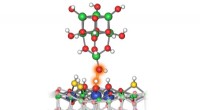
* Pigment modification: Acids can be used to modify the surface of pigments, improving their dispersion in the paint and influencing their color properties.
2. Resin Synthesis:
* Polyester resins: Some paint resins, like polyester resins, are synthesized using acid catalysts to accelerate the polymerization process.
3. Paint Additives:
* Driers: Certain organic acids, like naphthenic acid, act as driers in oil-based paints, speeding up the drying process by oxidizing the oil.
4. Paint Cleaning:
* Solvent-based cleaners: Some paint cleaners use weak acids to dissolve and remove dried paint.
Important Note:
* Care is crucial: Acids are corrosive and can damage surfaces. Using them requires careful handling and appropriate safety precautions.
* Not all paints: Not all paints use acid-derived components. Some paints, like water-based acrylic paints, rely on different chemical processes for their production.
In summary, acids play a crucial role in the production of paint ingredients and additives but are not directly added to the paint itself. Their specific use depends on the type of paint and its intended application.