For breaking chemical bonds:
* Heat: Many molecules can be broken down by heating them. This works by providing energy to overcome the bond strength and cause the molecules to decompose.
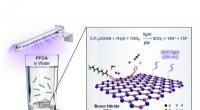
* Light: Some molecules are susceptible to photolysis, where light energy breaks the chemical bonds. This is often used in chemical synthesis and even in processes like the ozone layer's destruction.
* Electricity: Electrolysis uses electrical currents to break down molecules, especially in aqueous solutions. This is used to produce things like chlorine gas and hydrogen gas.
* Chemicals: Certain chemicals can be used to break apart molecules through reactions like hydrolysis (using water) or oxidation (using oxygen).
* Ultrasound: High-frequency sound waves can create cavitation bubbles that can break up molecules. This is used in applications like sonochemistry.
* Plasma: Highly energetic ionized gas, like that found in plasma torches, can break down molecules through collisions.
* High-energy radiation: Radiation like X-rays or gamma rays can break chemical bonds, leading to ionization and molecular fragmentation.
For breaking down large molecules (like proteins):
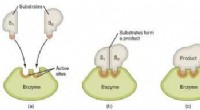
* Enzymes: These biological catalysts can break down specific bonds within large molecules.
* Ultrasonic homogenizers: These devices use high-frequency sound waves to break up large molecules and cell walls.
* High-pressure homogenizers: These machines force a liquid through a small orifice at high pressure, breaking down cells and large molecules.
* Microwaves: These can be used for targeted heating to disrupt protein structures.
For breaking down molecules in specific contexts:
* Mass spectrometer: Used to fragment molecules and analyze their composition.
* Gas chromatograph: Separates molecules based on their boiling points and interactions with a stationary phase.
* Atomic force microscope (AFM): Can be used to manipulate individual molecules and study their properties.
* Electron microscopes: Can be used to visualize molecules at very high resolutions.
Important Considerations:
* Specificity: Different methods are more effective for breaking down different types of molecules.
* Safety: Many of these techniques require specialized equipment and safety precautions.
* Yield: The efficiency of breaking down molecules varies depending on the method used.
It's crucial to understand the specific application and the properties of the molecules you're working with to choose the most appropriate equipment and method for breaking them down.