1. Water:
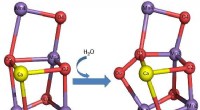
* Hydrolysis: Water reacts with minerals in rocks, breaking them down into new compounds. For example, feldspar reacts with water to form clay minerals.
* Dissolution: Some minerals, like halite (rock salt) and calcite (in limestone), dissolve in water, especially acidic water. This is why caves form in limestone regions.
2. Oxygen:
* Oxidation: Oxygen reacts with iron in rocks, forming iron oxides like rust. This process weakens the rock and causes it to crumble.
3. Carbon Dioxide:
* Carbonation: Carbon dioxide in the atmosphere dissolves in water, forming carbonic acid. This acid reacts with minerals like calcite, dissolving them. This process is responsible for the formation of caves and sinkholes.
4. Acids:
* Acid Rain: Acid rain is a type of precipitation that contains high levels of sulfuric and nitric acids. These acids can dissolve many minerals in rocks, accelerating weathering.
* Organic Acids: Plants and microorganisms release organic acids that can also break down rocks.
5. Biological Agents:
* Lichens: Lichens produce acids that can dissolve rock minerals.
* Roots: Plant roots can penetrate rocks and break them apart, also releasing acids that accelerate weathering.
It's important to note that chemical weathering often works in conjunction with other weathering processes, like physical weathering (e.g., freezing/thawing).
Chemical weathering is a crucial part of the rock cycle, breaking down rocks and creating soil and sediments that are essential for life on Earth.