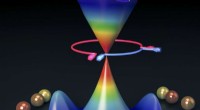
1. Atoms: The most fundamental building blocks of matter are atoms. These are tiny particles that make up everything around us. They are composed of even smaller particles called protons, neutrons, and electrons.
2. Elements: Each unique type of atom is called an element. For example, the element carbon is made of carbon atoms, the element oxygen is made of oxygen atoms, and so on. There are about 118 known elements, and they can combine in many different ways to form the materials we see around us.
3. Molecules: When two or more atoms bond together, they form a molecule. For example, two hydrogen atoms and one oxygen atom combine to form a water molecule (H2O).
4. Compounds: When two or more different elements combine chemically, they form a compound. Water is an example of a compound, as are table salt (NaCl) and carbon dioxide (CO2).
5. Mixtures: Materials can also be combined without a chemical reaction to form mixtures. These mixtures retain the properties of the individual components. Examples include saltwater (salt dissolved in water) and air (a mixture of nitrogen, oxygen, and other gases).
In summary:
* Atoms are the building blocks of everything.
* Elements are made of a single type of atom.
* Molecules are formed when two or more atoms bond together.
* Compounds are formed when two or more different elements combine chemically.
* Mixtures are combinations of materials that are not chemically bonded.
By combining atoms in different ways, we can create an incredibly diverse array of materials, from the simplest substances like water and air to complex materials like plastics, metals, and even living organisms.