* Water and Alcohol: A common example is mixing water and ethanol (drinking alcohol). The two liquids dissolve completely in each other, creating a homogeneous solution.
* Vinegar: Vinegar is a solution of acetic acid (a liquid) in water.
* Gasoline: Gasoline is a mixture of various hydrocarbons, all of which are liquids that dissolve in each other.
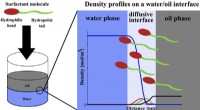
* Oil and Water with a Surfactant: While oil and water generally don't mix, adding a surfactant (like soap) can create a stable emulsion where tiny droplets of oil are dispersed throughout the water. This isn't technically a solution, but it demonstrates the ability of liquids to interact in complex ways.
Key Characteristic: The key characteristic of a liquid-liquid solution is that the liquids are miscible, meaning they can mix together in any proportion to form a single, uniform liquid.