* Buffer solutions resist pH changes. They are composed of a weak acid and its conjugate base (or a weak base and its conjugate acid).
* The acid reacts with the base component. When you add acid, it reacts with the base component of the buffer, converting it to its conjugate acid.
* Equilibrium shifts. This reaction shifts the equilibrium of the buffer system, but the change in pH is minimized because the buffer components are still present in significant amounts.
Example:
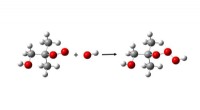
Consider a buffer solution of acetic acid (CH3COOH) and acetate ions (CH3COO-). If you add a small amount of HCl (a strong acid), the following reaction occurs:
CH3COO- + H+ → CH3COOH
The added H+ ions react with the acetate ions, converting them to acetic acid. The pH will increase slightly, but not significantly because there is still a substantial amount of acetate ions remaining to neutralize further acid additions.
In short, the buffer system acts like a "sponge" for the added acid, minimizing the change in pH.