Here's why:
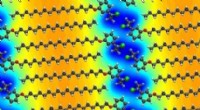
* Chemical changes involve the breaking and forming of new chemical bonds. This alters the arrangement of atoms within molecules, resulting in a new substance with different properties.
* Physical changes only alter the appearance or state of matter, not the chemical composition.
Examples of chemical changes:
* Burning wood: Wood reacts with oxygen to produce ash, carbon dioxide, and water - all different substances from the original wood.
* Baking a cake: The ingredients undergo chemical reactions, changing their composition and creating a new substance - the cake.
* Rusting of iron: Iron reacts with oxygen and water to form iron oxide (rust), a different substance with different properties.
Let me know if you'd like more examples or want to explore the differences between physical and chemical changes in more detail!