Measurement and Observation:
* Rulers: Measure length
* Graduated Cylinders: Measure liquid volume
* Thermometers: Measure temperature
* Beaker: Holds and mixes liquids
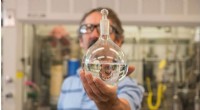
* Erlenmeyer Flask: Holds and mixes liquids, with a narrower neck
* Petri Dish: Holds samples for observation
* Microscope: Magnifies small objects
* Telescope: Observes distant objects
* Magnifying Glass: Magnifies small objects
* Scale/Balance: Measures mass
* Stopwatch: Measures time
* Pipette: Measures and transfers small volumes of liquid
* Burette: Measures and dispenses precise volumes of liquid
* Spectrometer: Measures the wavelength of light
* pH Meter: Measures acidity or alkalinity
* Oscilloscope: Visualizes electrical signals
Manipulation and Experimentation:
* Bunsen Burner: Provides a controlled flame for heating
* Tongs: Grasp and move hot objects
* Stirring Rod: Mixes liquids
* Funnel: Directs liquid into a container
* Filter Paper: Separates solids from liquids
* Test Tube: Holds and mixes small amounts of liquid
* Test Tube Rack: Holds test tubes
* Spatula: Transfers solids
* Mortar and Pestle: Grinds solids
* Centrifuge: Separates substances by density
* Incubator: Controls temperature for experiments
* Hot Plate: Provides controlled heat for experiments
* Magnetic Stirrer: Mixes liquids using a magnetic force
* Spectrophotometer: Measures the absorbance of light
Other Important Tools:
* Lab Coat: Protects clothing from spills
* Safety Goggles: Protects eyes
* Gloves: Protect hands
* First Aid Kit: Handles minor injuries
* Safety Shower: Washes away chemical spills
* Fire Extinguisher: Puts out fires
This list is just a starting point, and there are many other specialized scientific tools used in various fields. It is important to note that the specific tools used in a particular scientific experiment depend on the nature of the investigation.